Redefining Literacy Beyond Decoding to Embrace Comprehension, Joy, and Lifelong Engagement
In classrooms and living rooms across the world, children are learning to sound out words by tracing letters, practicing phonics, and decoding sentences. Though these foundational skills matter deeply in building fluency, if literacy stops there, we have misunderstood its purpose.
Recent national conversations about reading instruction have rightly emphasized the importance of phonics and foundational skills. Yes, decoding is essential because children must be able to recognize letters and connect them to sounds. Reading is not merely about sounding out words. It is about understanding them and building knowledge, curiosity, empathy, and critical thinking.
If we want more readers, we must redefine literacy beyond decoding to include comprehension, joy, and lifelong engagement.
That is why, at Worldreader, we are committed to strengthening early literacy development. We have seen firsthand that when children build strong foundations early, they gain more than academic skill; they build human capacity. Reading to a young child fosters curiosity. It strengthens empathy, as children encounter characters whose experiences differ from their own.
The data tell a sobering story. In the United States, 32 percent of fourth graders read at or above proficiency level. In many countries, large majorities of children struggle to meet minimum reading benchmarks by the end of primary school, resulting in gaps in vocabulary exposure, background knowledge, and meaningful engagement with text.
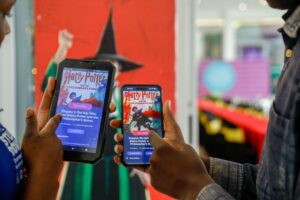
Across Worldreader’s mobile platforms, more than 22 million readers worldwide have accessed digital books designed to help families build reading habits together. These habits take root when families intentionally make reading part of daily life, modeling curiosity and engagement in the home.
Research consistently shows that comprehension depends on more than fluency. A child who can pronounce every word on a page but cannot explain what the story means is not yet fully literate. Vocabulary breadth, exposure to diverse ideas, and the ability to connect new information to prior knowledge all shape whether reading becomes a gateway to opportunity or a source of frustration.
Independent research examining family reading interventions supports this broader understanding. Studies exploring Worldreader’s BookSmart model in Kenya have examined how digital reading platforms can strengthen caregiver engagement with children’s reading. When families regularly read together at home, children develop stronger literacy skills and more positive attitudes toward books.
From Reading to Understanding Starts at Home
One of the strongest predictors of long-term academic success is not a worksheet or a test score. It’s engaged family reading. When caregivers read with their children consistently, even for just a few minutes a day, children build vocabulary, deepen comprehension, and form positive associations with books. They learn that reading is not simply a school task but a time of connection. A habit that carries into adolescence and adulthood, shaping curiosity and critical thinking.
This broader definition of literacy demands that we rethink how we measure progress beyond word recognition to include vocabulary growth, the ability to retell a story, infer meaning, and relate themes to lived experience. Once we recognize that we do not need to choose between phonics and comprehension, the false divide begins to dissolve. Foundational skills and rich language exposure are complementary, not competing priorities.
It’s time to move the literacy conversation beyond access alone. High-quality, culturally relevant books matter, but what matters most is what happens when a parent or caregiver opens one with a child. Even a few minutes of reading together each day can build vocabulary, deepen understanding, and spark curiosity about the world.
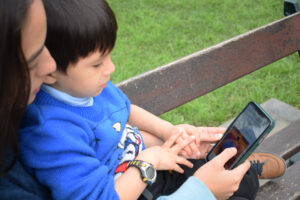
Caregivers are the first and most influential teachers in a child’s life. When they read with their children at home, whether from a printed book or a story on a phone through platforms like BookSmart, they help transform foundational reading skills into something far greater: curious minds, critical thinkers, and young people prepared to lead, work, and contribute in a rapidly changing world.
That influence deserves to be recognized and celebrated. The path to literacy begins long before the classroom, in the everyday moments when families read, talk, wonder, and imagine together.
If we define literacy narrowly, we will continue to measure narrow outcomes. Join Worldreader in elevating literacy beyond decoding to deeper comprehension and lasting understanding. With a unified commitment to this broader understanding, we can make faster and more meaningful progress toward fostering a generation of children who not only read the words on the page but also understand them, question them, and use them to shape their own futures. That is the kind of literacy that builds opportunity, strengthens families, and is worthy of our children.
—
Rebecca Chandler Leege is the CEO of Worldreader, a global tech nonprofit dedicated to helping families build daily reading routines that prepare children for lifelong learning.